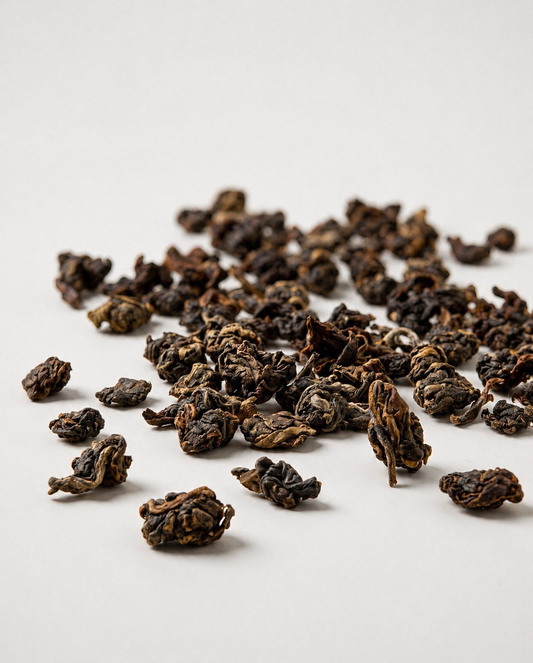
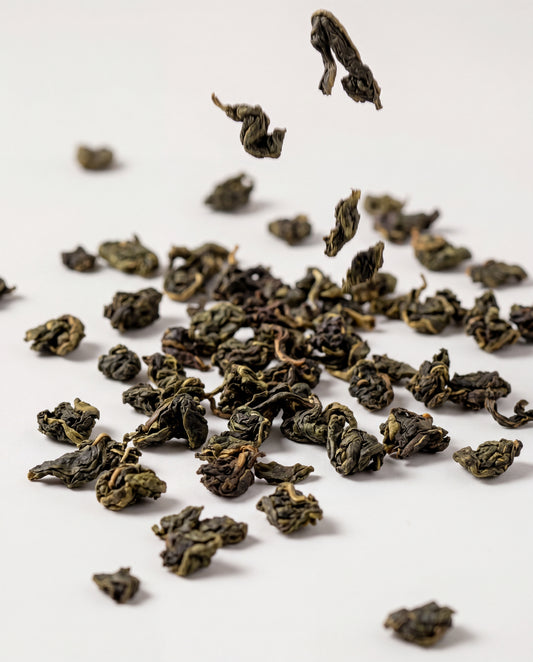
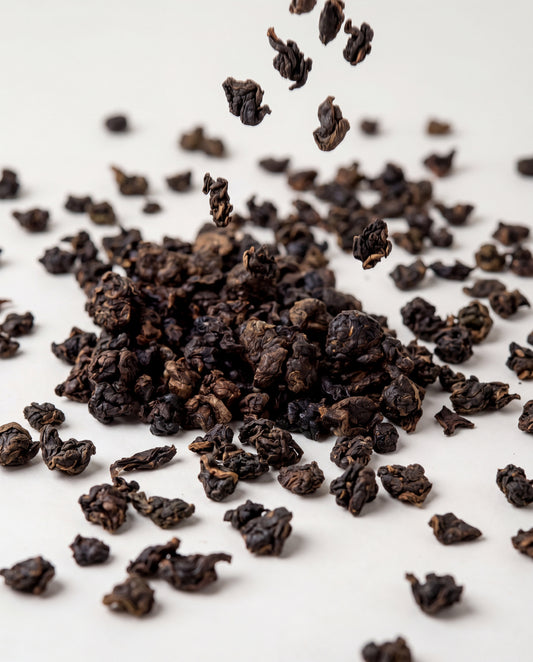
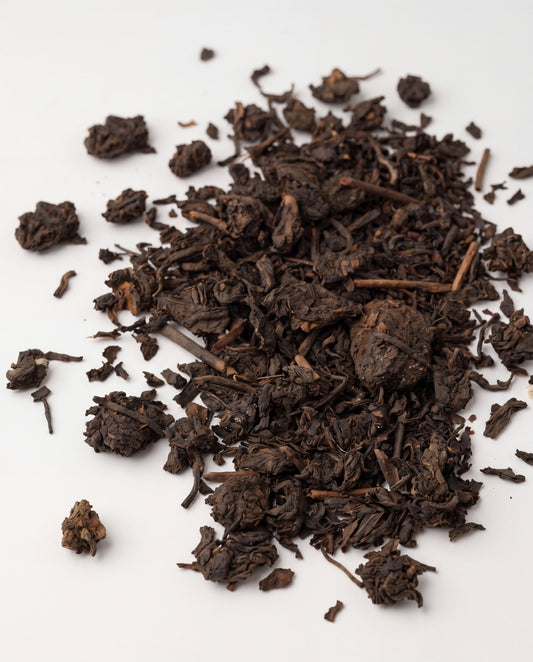
• REAL TEA

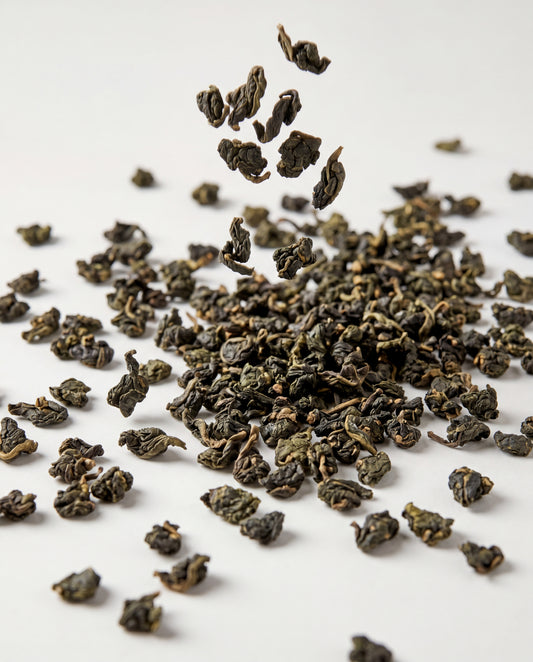
    Whole-leaf oolong. Nothing weird.

  • DIFFERENT PROCESS

    Oxygen-free processing naturally increases GABA.

  • BETTER RITUAL

    Steep. Sip. Reset. Repeat.

PICK YOUR MOJO

LIFE'S BETTER

WITH TEA IN IT.

Not because you need it.

Because some things just make the day better.

A slow morning. A clear head. A table full of friends. Ten quiet minutes to yourself.

GOOD TEA BELONGS IN ALL OF IT.

MOJO IS A STATE OF MIND

“To me, mojo is simple: a clear head, good energy, and feeling like yourself.

That’s why I’ve always loved good tea. It doesn’t push you. It gives you a moment to reset, refocus, and get back into your own rhythm.

That’s what I wanted MOJO to be about.

Good tea. Good energy. More you.”

Alex, Founder of MOJO TEA CO

FIND YOUR TEA

TEA QUESTIONS? WE'VE GOT ANSWERS.

What is GABA TEA?

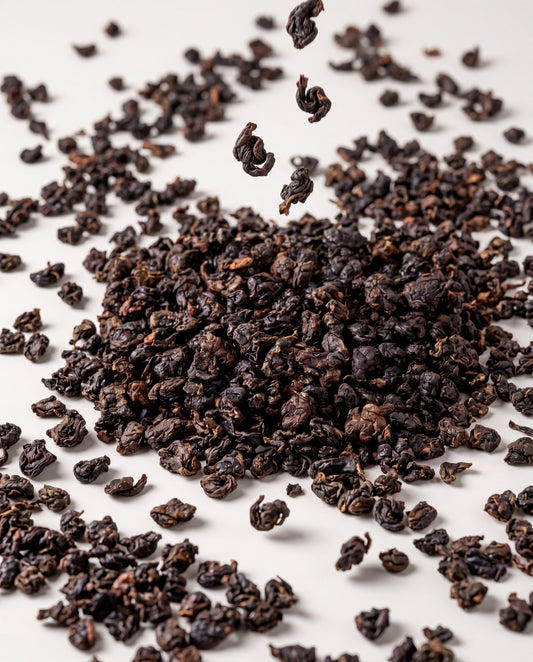
GABA Tea is tea processed in an oxygen-free environment, which naturally increases its GABA content. Expect full flavor, a smooth tea experience, and a ritual made for slowing the noise without slowing yourself down.

What is PU-ERH TEA?

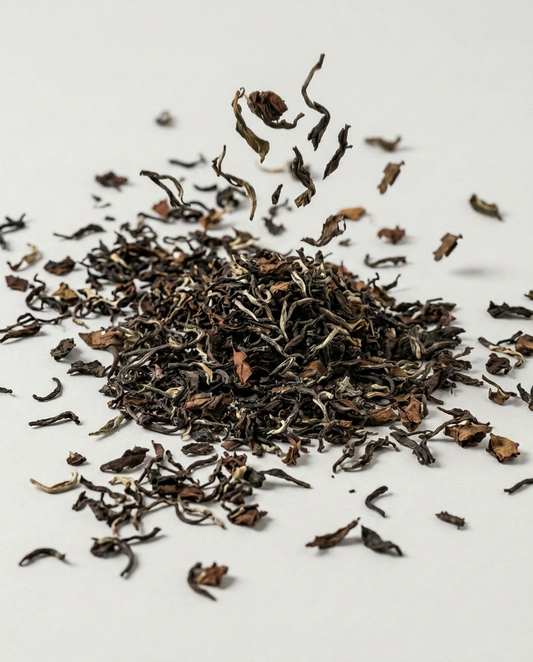
Pu-erh is a fermented tea from Yunnan, China, known for its deep, rich character. Depending on the tea, expect notes of dried fruit, wood, cacao, nuts, or dark sweetness.

What is SHU PU-ERH?

Shu pu-erh is pu-erh that goes through an accelerated fermentation process, creating a darker, smoother, richer cup. Bold without being harsh — especially good when you want something deep and grounding.

What is OOLONG TEA?

Oolong lives somewhere between green and black tea — and that’s exactly why it gets interesting. Some are light, floral and creamy; others are roasted, deep and complex.

What is RED TEA?

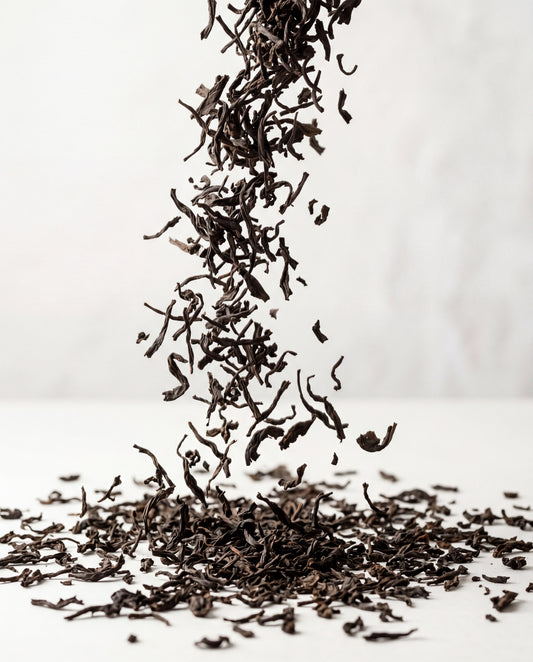
What we call red tea follows the Chinese tea classification. In the U.S., you’ll usually see it called black tea. Rich, aromatic and naturally sweet, it can bring notes of honey, fruit, malt and flowers.

Do these teas have caffeine?

Yes. GABA tea, oolong, pu-erh and red/black tea naturally contain caffeine. The amount varies depending on the tea and how you brew it.

Do I need special teaware?

Yes. A gaiwan, small gongfu teapot, or a push-button tea brewer is the way to go. Short steeps let the leaves fully open and the flavor evolve with every infusion. One tea. Many steeps. A different experience every time.

How much tea should I use?

Start with about 5 g per 150 ml of water and adjust from there. More leaf gives you a richer, more intense session.

Can I steep the same leaves more than once?

Absolutely. Please do. Good whole-leaf tea is made for multiple steeps, and the flavor changes from one infusion to the next.

What does “multiple steeps” mean?

Same leaves. Fresh hot water. Another cup. Repeat. Keep steeping and watch the flavor evolve.

Which tea should I start with?

Not sure yet? Start with our GABA Tea Samples. Try three different GABA teas, discover how different they can taste, and find the one you keep thinking about.